20,000 Leagues Under the Sea | Complete Study Guide & Analysis
Explore a detailed study guide for 20,000 Leagues Under the Sea by Jules Verne. Includes summary, themes, symbols, characters, and analysis.
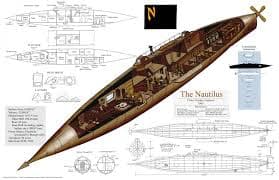
20,000 Leagues Under the Sea – Study Guide for Students
📘 Book Overview
- Author: Jules Verne
- Years Published: 1869–1870
- Type: Novel
- Genre: Adventure, Science Fiction
- Narrative Perspective: First-person narration by Dr. Pierre Aronnax
- Tense: Past tense
20,000 Leagues Under the Sea is a pioneering science fiction adventure that follows an extraordinary underwater journey aboard the submarine Nautilus. Narrated by Dr. Aronnax, the novel combines scientific curiosity, moral questions, and thrilling exploration.
🌊 About the Title
The “20,000 leagues” refers to the distance traveled underwater, not the depth. One nautical league equals approximately 3.45 miles. The title emphasizes both the immense scale of the journey and the isolation from the surface world.
Enhance your Academic Performance And Reach Your Goals
See how quick and easy it is to get an exceptional essay with minimal effort on our platform
👤 Main Characters
Dr. Pierre Aronnax
A French marine biologist fascinated by ocean life. As narrator, he admires Captain Nemo but struggles to remain objective.
Captain Nemo
The mysterious commander of the Nautilus. Brilliant, secretive, and deeply conflicted, Nemo rejects society and seeks freedom beneath the sea.
Ned Land
A Canadian harpooner known for his impulsiveness and strong desire to return to land.
Conseil
Aronnax’s loyal assistant, calm and analytical, devoted to classification and scientific observation.
📖 Plot Summary
The story begins with reports of a mysterious sea monster attacking ships. Dr. Aronnax joins an expedition to capture it, only to discover that the “monster” is actually a technologically advanced submarine—the Nautilus.
Captured by Captain Nemo, Aronnax, Conseil, and Ned Land are forced to travel underwater across the globe. They explore coral reefs, underwater forests, and sunken ruins. Despite the beauty and scientific wonder, tension grows as Nemo reveals his hatred for surface civilization.
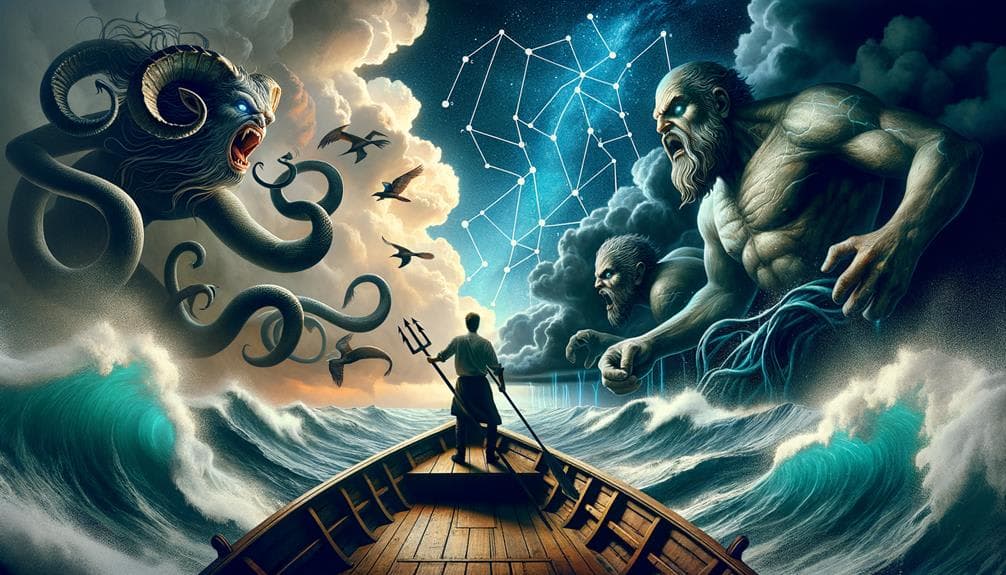
The novel concludes with a dramatic escape attempt during a violent whirlpool.
🧭 Chapter Breakdown
Part 1
Introduces the mystery of the sea creature and the capture of Aronnax and his companions. The Nautilus is revealed, and Nemo’s philosophy begins to unfold.
Part 2
Focuses on deeper explorations, moral conflict, and Nemo’s increasingly complex motivations. Themes of revenge, justice, and isolation intensify.
🎭 Major Themes
Freedom
Nemo seeks liberation from oppressive societies by living beneath the sea.
Conservation
The ocean is portrayed as a fragile ecosystem deserving protection.
Justice
Nemo’s actions raise questions about moral responsibility and revenge.
🔎 Important Symbols
The Nautilus
Represents technological advancement and independence from society.
Captain Nemo’s Piano Organ
Symbolizes emotional depth and the internal conflict hidden beneath Nemo’s stoic exterior.
The Sea
A space of both freedom and isolation.
📊 Literary Significance
Jules Verne is often called a father of science fiction. This novel blends adventure with scientific imagination, predicting submarine technology long before it existed.
Students commonly analyze:
- Nemo as an anti-hero
- The ethical implications of isolation
- The role of science in society
- The conflict between freedom and responsibility
🚀 Need Help With Your Literature Essay?
If you're working on:
✔ A character analysis of Captain Nemo
✔ A thematic essay on freedom or justice
✔ A symbolism paper
✔ A research paper on early science fiction
✔ MLA, APA, or Chicago formatting
👉 Order your custom literature essay at Onpoint Essays today.
We provide:
- Clear thesis development
- Strong literary analysis
- Academic referencing
- Plagiarism-free work
- On-time delivery
Turn your study guide into a top-grade essay with expert support.
Enjoyed this article?
Subscribe to our newsletter for more insightful content, academic tips, and exclusive updates.
About the Author
Anakin Harrison
PhD, English Literature